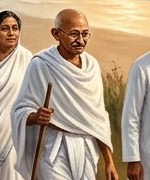
“Our ideal is that of Swaraj or absolute autonomy free from foreign control. We claim the right of every nation to live its own life by its own energies according to its own nature and ideals.”
— Sri Aurobindo (1909)
Chapter: India’s Long Road to Independence
Span: 1857 — 1947 (90 Years)
Companion: iPad & Interactive Web Guide
NCERT BIG QUESTION 1
How did a land of diverse geographies, languages, and religions unite into a single unstoppable force to end 190 years of British imperial rule?
NCERT BIG QUESTION 2
What made Satyagraha and non-violent mass resistance shake the foundations of the world’s mightiest military empire?
NCERT BIG QUESTION 3
How did everyday people—farmers, tribal warriors, women, and students—become the real commanders of India’s road to freedom?
🧠
India’s Long Road to Independence • Master Mindmap
💡 Click any circle node to expand/collapse • Drag to pan • Pinch/Scroll to zoom • Click text to view details below
CHAPTER AT A GLANCE
Select Any Topic on the Mindmap Above
Click on any era, movement, personality, or breakthrough milestone above to reveal in-depth historical context, syllabus points, and textbook explanations.
📚 Detailed Historical Overviews by Chapter Era
Structured action summaries, policy catalysts, and grassroots movements directly sourced from NCERT Class 8 Chapter 2.
ACT 11857 – 1905
Awakening & Regional Resistance
📜 British Imperial Actions & Policies
1858 Royal Proclamation: Queen Victoria takes direct rule away from the East India Company, promising non-interference in faith and equal justice.
Broken Promises: Imperial policies impose severe land revenue burdens, racial exclusion from high civil offices, and indifference to devastating famines.
Forest Regulations: Restrict indigenous tribal rights to traditional forests, designating communal woodlands as Crown property.
⚔️ Grassroots & Tribal Mobilization
The Kuka (Namdhari) Boycott: Led by Satguru Ram Singh in Punjab; established an autonomous network boycotting British mail, courts, and foreign textiles decades before Gandhi.
Birsa Munda’s 'Ulgulan' (Great Tumult): Tribal uprising in Chotanagpur defending ancestral Khuntkatti communal land against feudal moneylenders (dikus) and British landlords.
Social Reform Foundations: Jyotirao and Savitribai Phule establish schools for girls and oppressed castes, arguing that national liberation requires social equality.
🦁 Cultural & Political Awakening
1875 'Vande Mataram': Composed by Bankim Chandra Chattopadhyay (later published in Anandamath, 1882), becoming the rallying cry of national unity.
December 1885 INC Foundation: 72 delegates meet at Gokuldas Tejpal College in Bombay under W.C. Bonnerjee, A.O. Hume, and Dadabhai Naoroji to establish a unified national platform.
Bal Gangadhar Tilak: Transforms public Ganesh Chaturthi and Shivaji festivals into mass political platforms; roars “Swaraj is my birthright, and I shall have it!”
ACT 21905 – 1919
Swadeshi, Boycott & Revolutionary Flame
✂️ Colonial Provocation & Partition
1905 Partition of Bengal: Viceroy Lord Curzon divides Bengal to undermine the epicenter of Indian nationalism and drive a wedge between Hindus and Muslims.
16 October 1905 Day of Mourning: Thousands observe fasts and walk barefoot to the Ganga; Rabindranath Tagore leads the singing of Amar Shonar Bangla.
Rakhi Bandhan: Citizens tie yellow Rakhis across religious communities as an unbreakable pledge of brotherhood.
🔥 Economic Warfare & Self-Reliance
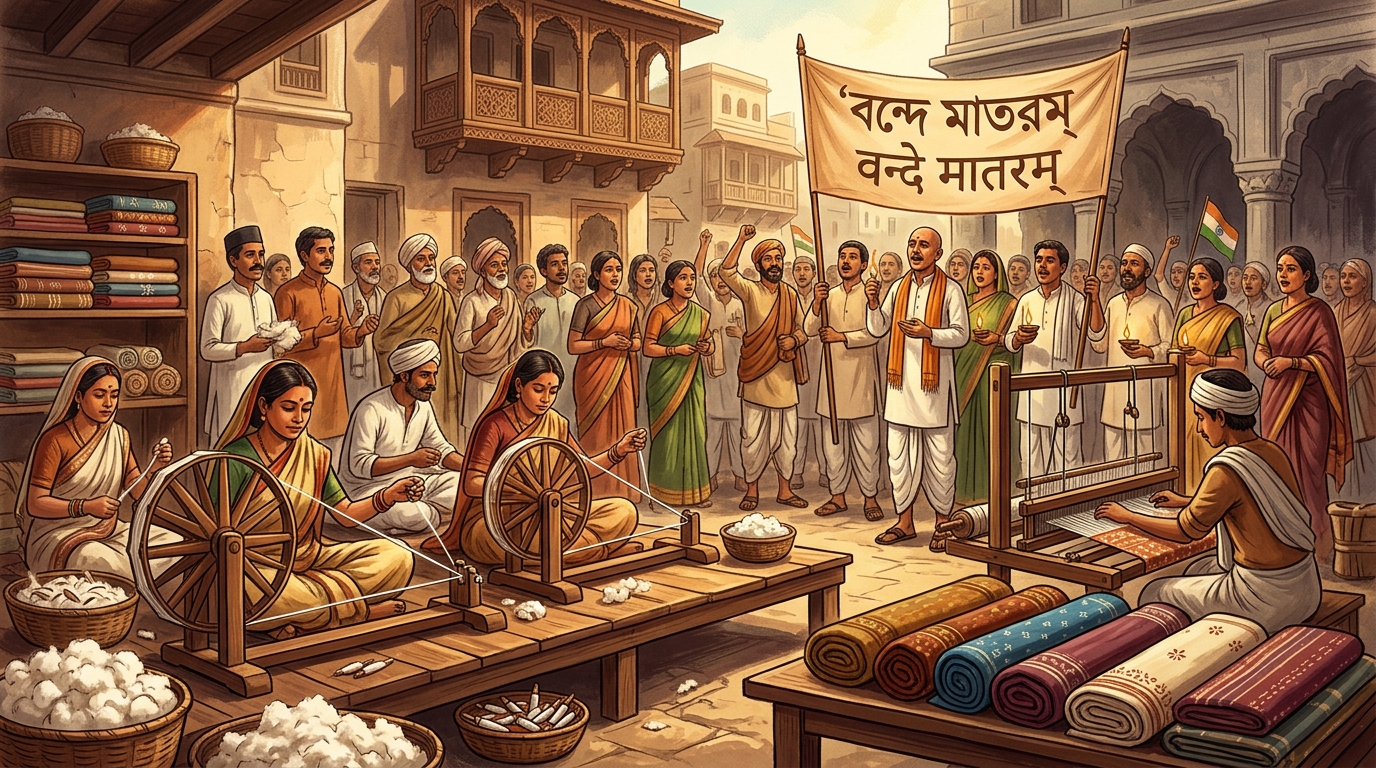
Bonfires of Foreign Textiles: Massive street bonfires consume imported Manchester cloth; Liverpool salt and foreign goods are strictly boycotted.
Swadeshi Enterprise: Indigenous cotton mills, soap factories, and banks are founded; women donate family gold to national funds.
National Education: Students abandon British schools; Bengal National College is established with Sri Aurobindo Ghose as principal.
⚡ Surat Split & Armed Resistance
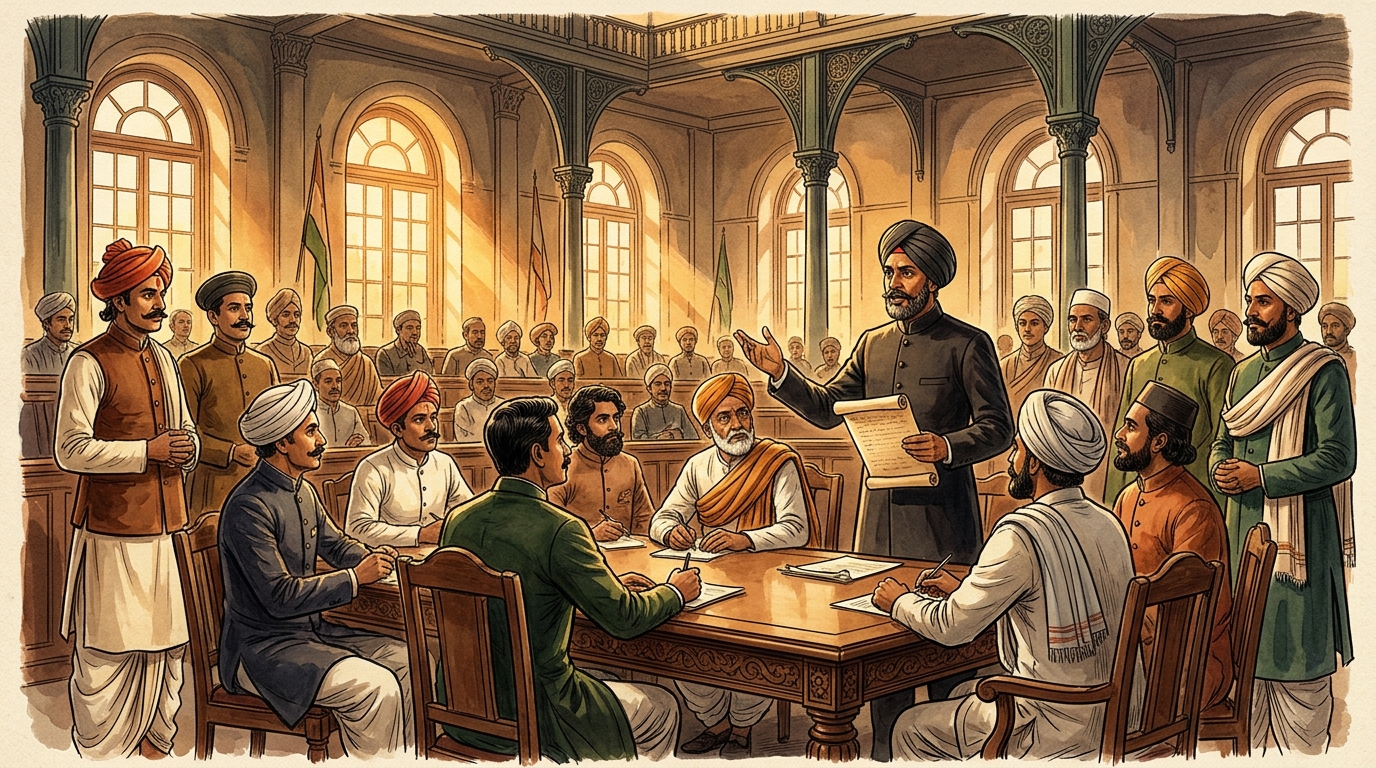
1907 Surat Split: Congress splits between Moderates (Gokhale’s petitions) and Nationalists/Extremists (Lal-Bal-Pal demanding mass strikes and absolute Swaraj).
Revolutionary Wave: Secret societies like Anushilan Samiti and Abhinav Bharat emerge; 18-year-old Khudiram Bose is martyred in the 1908 Alipore trial.
1911 Partition Annulled: Under relentless pressure, the Crown cancels the partition of Bengal and shifts the imperial capital to Delhi.
Global Ghadar Movement (1914–15): Expatriates in San Francisco organize an armed return; Bagha Jatin dies in a heroic trench gunfight at Balasore (1915).
ACT 31919 – 1939
The Gandhian Era: Satyagraha & Mass Awakening
🕊️ Repression & Satyagraha Experiments
Champaran Satyagraha (1917): Gandhi's first civil disobedience in India frees Bihar peasants from oppressive European indigo planters (Tinkathia system).
1919 Rowlatt Act: Authorizes detention of Indians without trial or legal defense (“No Dalil, No Vakil, No Appeal”).
Jallianwala Bagh Massacre (13 April 1919): General Dyer blocks the exits and massacres thousands of peaceful Baisakhi gatherers; Rabindranath Tagore renounces his Knighthood.
🧶 Non-Cooperation & Civil Defiance
Non-Cooperation Movement (1920–22): Allied with the Khilafat Movement; lawyers boycott courts, students boycott colleges, and 40,000+ citizens are jailed.
Chauri Chaura Withdrawal (Feb 1922): When a mob sets fire to a police station killing 22 policemen, Gandhi calls off the movement to preserve non-violence.
1928 Simon Commission Boycott: Nation unites behind “Simon Go Back”; Lala Lajpat Rai is fatally injured by police lathi blows in Lahore.
🧂 Purna Swaraj & The Salt March
HSRA Revolutionary Actions: Ram Prasad Bismil and Azad lead the 1925 Kakori action; Bhagat Singh and Dutt drop non-lethal bombs in Assembly (1929) to “make the deaf hear”.
1929 Lahore Purna Swaraj: Under Jawaharlal Nehru, Congress resolves that nothing short of Complete Independence is acceptable.
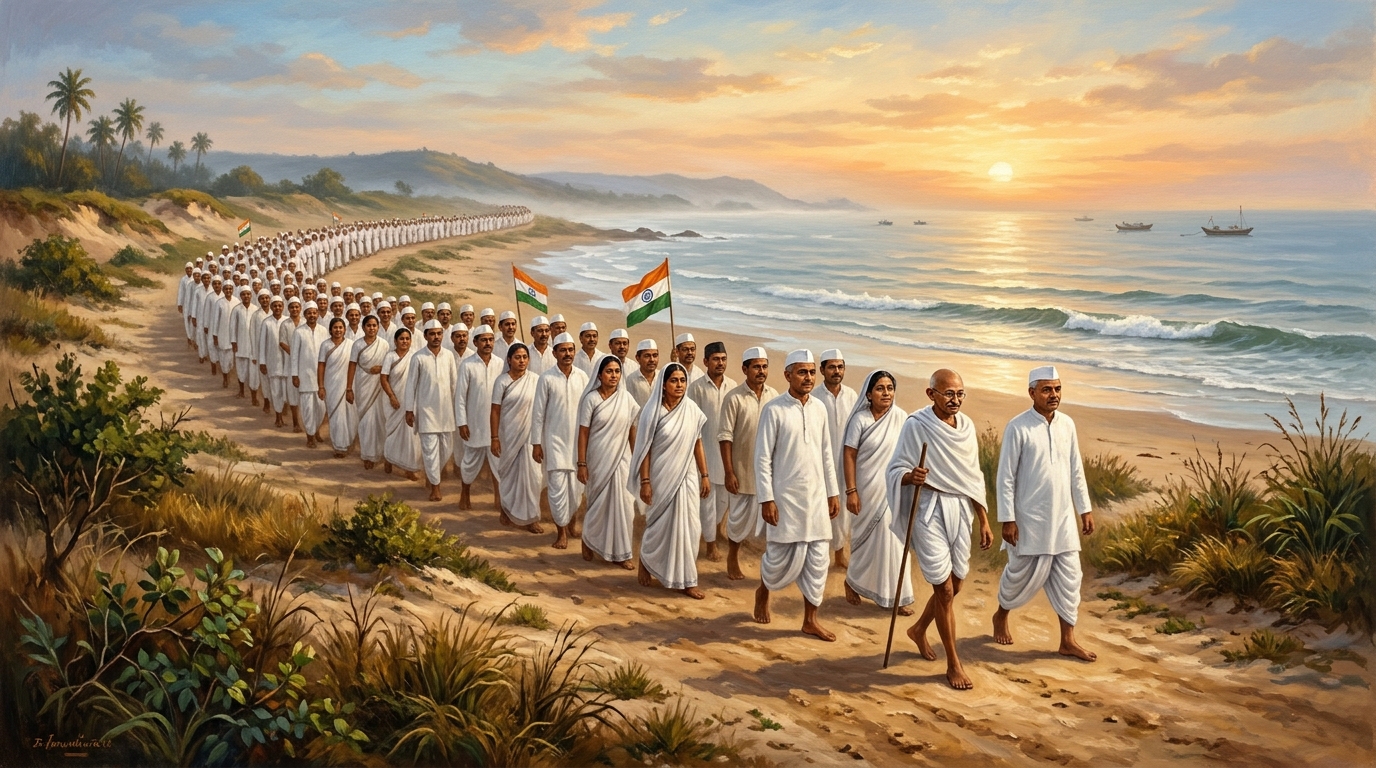
1930 Dandi Salt March: Gandhi walks 240 miles to the sea and breaks the salt tax on 6 April 1930, triggering nationwide civil disobedience and 60,000+ arrests.
1932 Poona Pact: Historic agreement between Gandhi and Dr. B.R. Ambedkar ensuring reserved legislative seats for Dalits within a joint electorate.
ACT 41939 – 1947
World War II, The Final Push & Dawn of Freedom
⚡ Quit India & Underground Defiance
WWII Crisis (1939): British declare India at war without consent; Congress ministries resign; 1942 Cripps Mission offers only vague post-war promises.
Quit India Movement (August 1942): Gandhi delivers the ultimatum: “Do or Die (Karo ya Maro)” at Gowalia Tank Maidan, Bombay.
Underground Mass Struggle: After top leaders are jailed overnight, Aruna Asaf Ali hoists the tricolor; Usha Mehta and Lohia operate an underground freedom radio.
🎖️ Netaji & The Indian National Army
The Great Escape (1941): Netaji Subhas Chandra Bose escapes house arrest in Calcutta, traveling through Afghanistan to Germany and Singapore.
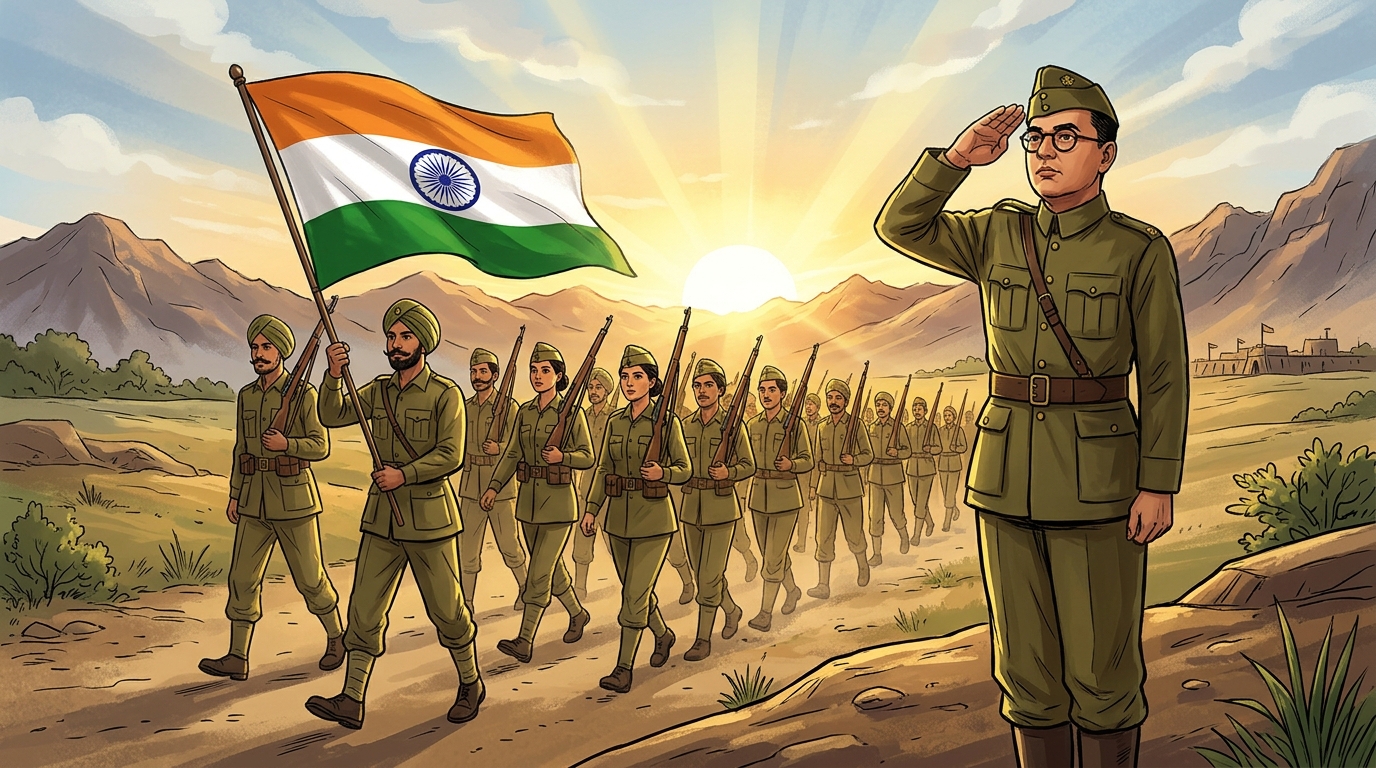
Azad Hind Fauj (INA): Formed from Indian prisoners of war and volunteers; Netaji proclaims: “Give me blood, and I will give you freedom!” and “Delhi Chalo!”
Rani of Jhansi Regiment: Pioneering all-female combat regiment led by Captain Lakshmi Sahgal fighting on the Burma-Assam frontier.
1945 Red Fort Trials: British prosecution of INA officers triggers countrywide mutinies and mass demonstrations across all communities.
🕊️ Imperial Exit & Independence
Royal Indian Navy (RIN) Mutiny (Feb 1946): 20,000 naval ratings in Bombay revolt, proving Britain can no longer rely on Indian armed forces to rule.
Radcliffe Line & Partition: British lawyer Sir Cyril Radcliffe draws boundary dividing Punjab and Bengal in 5 weeks, causing catastrophic displacement and violence.
15 August 1947 Midnight Dawn: India attains freedom; Jawaharlal Nehru delivers the historic “Tryst with Destiny” to the Constituent Assembly.
EPISODE 11857 – 1905
Sparks, Broken Promises & The Awakening
After the 1857 Revolt, the British Crown promised justice but brought heavy taxation, racism, and famines. Indians realized they required an organized national voice to challenge the Raj.
1885: 1st session of Indian National Congress in Bombay (W.C. Bonnerjee, Dadabhai Naoroji).
Tribal & Regional heroes: Birsa Munda in Chotanagpur, Kuka Movement in Punjab, Jyotirao & Savitribai Phule.
Bal Gangadhar Tilak: Celebrates Ganesh Chaturthi to unite all communities; roars "Swaraj is my birthright!"
Discussion Prompt for Srinidhi:
“Why did Tilak celebrate public festivals like Ganesh Chaturthi instead of just giving speeches to educated crowds?”
EPISODE 21905 – 1919
The Firebrands & The Swadeshi Fire
Lord Curzon partitioned Bengal in 1905 to divide Hindus and Muslims. It backfired into a wildfire of boycotts, burning of British textiles, and fearless revolutionary secret societies.
Key Breakthroughs & Figures
Swadeshi & Boycott (1905): Bonfires of foreign cloth, women donating jewellery, national schools founded.
Lal-Bal-Pal: Lala Lajpat Rai, Bal Gangadhar Tilak, Bipin Chandra Pal urge direct mass resistance.
Young Martyrs: 18-year-old Khudiram Bose, Bagha Jatin, and Rash Behari Bose.
Global Resistance: Ghadar Movement (1914–15) founded by Indian expatriates in San Francisco.
Discussion Prompt for Srinidhi:
“What does ‘Swadeshi’ (of one’s own country) mean? How did wearing homemade Khadi hurt the British economy?”
EPISODE 31919 – 1931
Satyagraha, Sacrifices & The Salt March
Mahatma Gandhi returns from South Africa and introduces Satyagraha (truth-force) and Ahimsa (non-violence). The Jallianwala Bagh massacre (1919) transforms India’s demand to complete freedom.
Key Breakthroughs & Figures
Jallianwala Bagh (1919): Gen. Dyer massacres thousands; Rabindranath Tagore renounces his Knighthood.
Non-Cooperation Movement (1920–22): Lawyers boycott courts, students leave colleges, 40,000+ jailed.
Bhagat Singh & HRA: Kakori action (1925), martyrdom of Lala Lajpat Rai avenged, bombing of Assembly to "make the deaf hear".
Dandi Salt March (1930): 240-mile walk to the Arabian Sea to break the British salt tax monopoly.
Discussion Prompt for Srinidhi:
“Why did Gandhi pick something as humble as ordinary cooking salt to shake the entire British Empire?”
EPISODE 41939 – 1947
"Do or Die" & The Final March to Dawn
World War II plunges Britain into crisis. Netaji Subhas Chandra Bose attacks from outside with the Indian National Army, while Gandhi issues the clarion call inside India.
Key Breakthroughs & Figures
Quit India Movement (1942): Gandhi delivers his historic mantra: "Karo ya Maro" (Do or Die). Underground network led by Aruna Asaf Ali.
Subhas Chandra Bose & INA: Azad Hind Fauj, Rani of Jhansi Women’s Regiment, war cry "Jai Hind" and "Delhi Chalo".
Royal Indian Navy Mutiny (1946): Ratings in Bombay revolt, proving Britain could no longer trust armed forces.
August 15, 1947: Independence achieved, alongside the painful trauma of the Radcliffe line & Partition.
Discussion Prompt for Srinidhi:
“Compare Gandhi’s non-violent approach with Netaji’s INA. Did India need both forces to achieve freedom?”
PAPER CRAFT • 30 MINS
1. The "Two Paths to Freedom" Venn Diagram
Compare the philosophies of Mahatma Gandhi (Satyagraha, Ahimsa, Mass Charkha) and Netaji Subhas Chandra Bose / Bhagat Singh (Azad Hind Fauj, revolutionary armed resistance).
Draw two overlapping large circles on an A4 sheet. Label them "Gandhi’s Satyagraha" and "Revolutionary Action (Netaji & Bhagat Singh)".
In the middle overlap, write: "Total Swaraj / Love for Motherland / Willingness to sacrifice freedom & life".
On Gandhi’s side, list 3 tactics: Boycott, Salt March, Charkha spinning.
On the Revolutionary side, list 3 tactics: INA Army, Assembly leaflets, Underground secret societies.
Needed: White paper, 2 different colored markers, pencil.
MAP PLOTTING • 20 MINS
2. The 240-Mile Dandi March Journey Chart
Track Gandhi’s legendary 24-day walk from Sabarmati Ashram (Ahmedabad) to the coastal village of Dandi (March 12 – April 6, 1930).
Draw a Gujarat coastline strip on chart paper.
Mark starting point (Sabarmati) and ending point (Dandi). Calculate daily walking average (240 miles ÷ 24 days = 10 miles/day).
Glue a pinch of real kitchen salt inside a mini drawn sea-wave icon at the Dandi finish line!
Write the historic quote beside it: "With this salt, I am shaking the foundations of the British Empire."
Needed: A pinch of kitchen salt, glue, sketch pens, ruler.
TIMELINE STRIP • 25 MINS
3. The "Accordion Timeline" Pocket Book
Fold an A4 sheet into an 8-panel zigzag accordion booklet. Each fold represents one monumental turning point.
Fold paper 3 times to get 8 panels.
Panel 1: 1857 Revolt • Panel 2: 1885 Congress Formed • Panel 3: 1905 Bengal Partition & Swadeshi.
Panel 8 (Back cover): Srinidhi’s favorite quote from the chapter.
Needed: Scissors, 1 sheet of chart paper, colored pencils.
ROLEPLAY & DEBATE • 15 MINS
4. "The Surat Split" Mini Debate (1907)
Experience how the Congress split into Moderates (Gokhale, Naoroji) and Extremists/Nationalists (Tilak, Lajpat Rai).
Padhu (You): Play the Moderate leader. Argue: "We must write polite petitions to the British Parliament. We cannot use force!"
Srinidhi: Plays Bal Gangadhar Tilak. She must counter: "Petitions are political begging! Swaraj is our birthright, we must boycott their goods!"
Discuss: Why was Tilak right that polite letters weren’t winning freedom?
Needed: Father & daughter dialogue and dramatic flair!
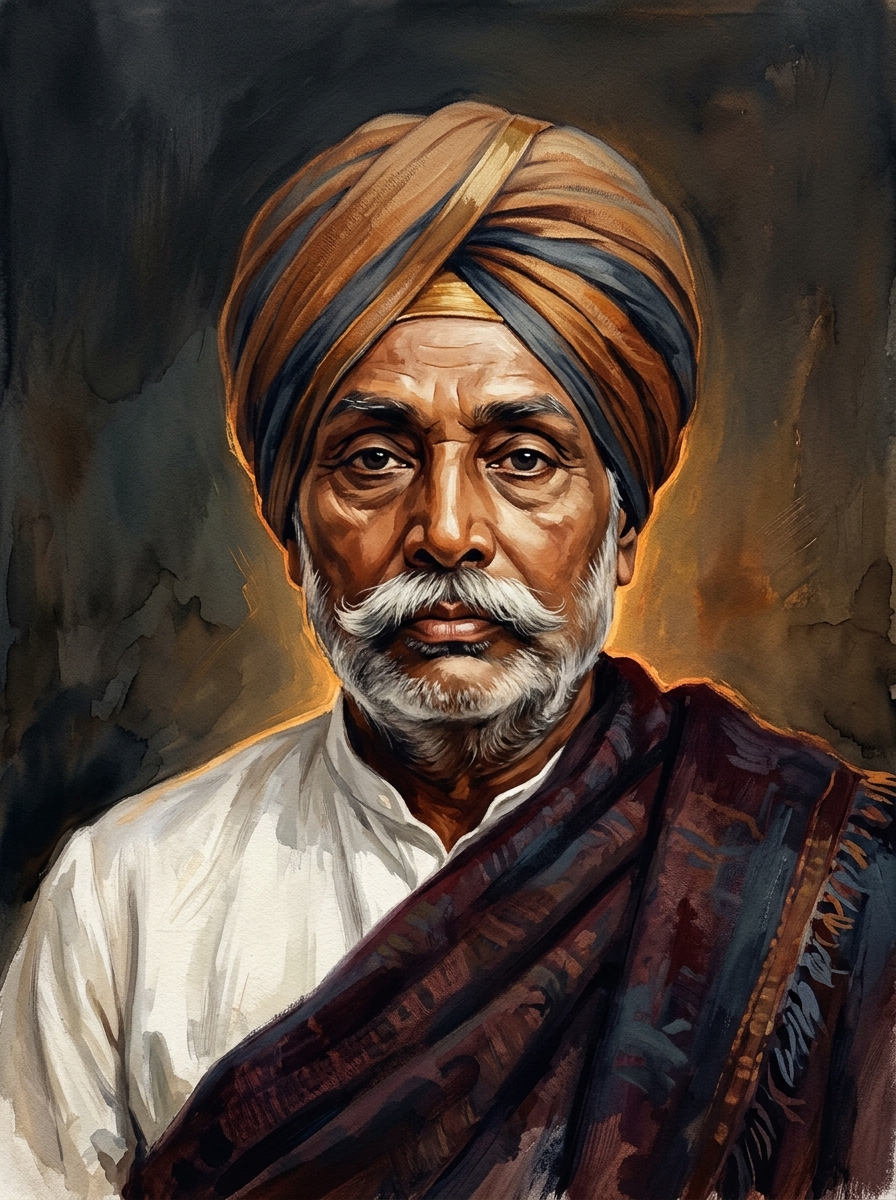
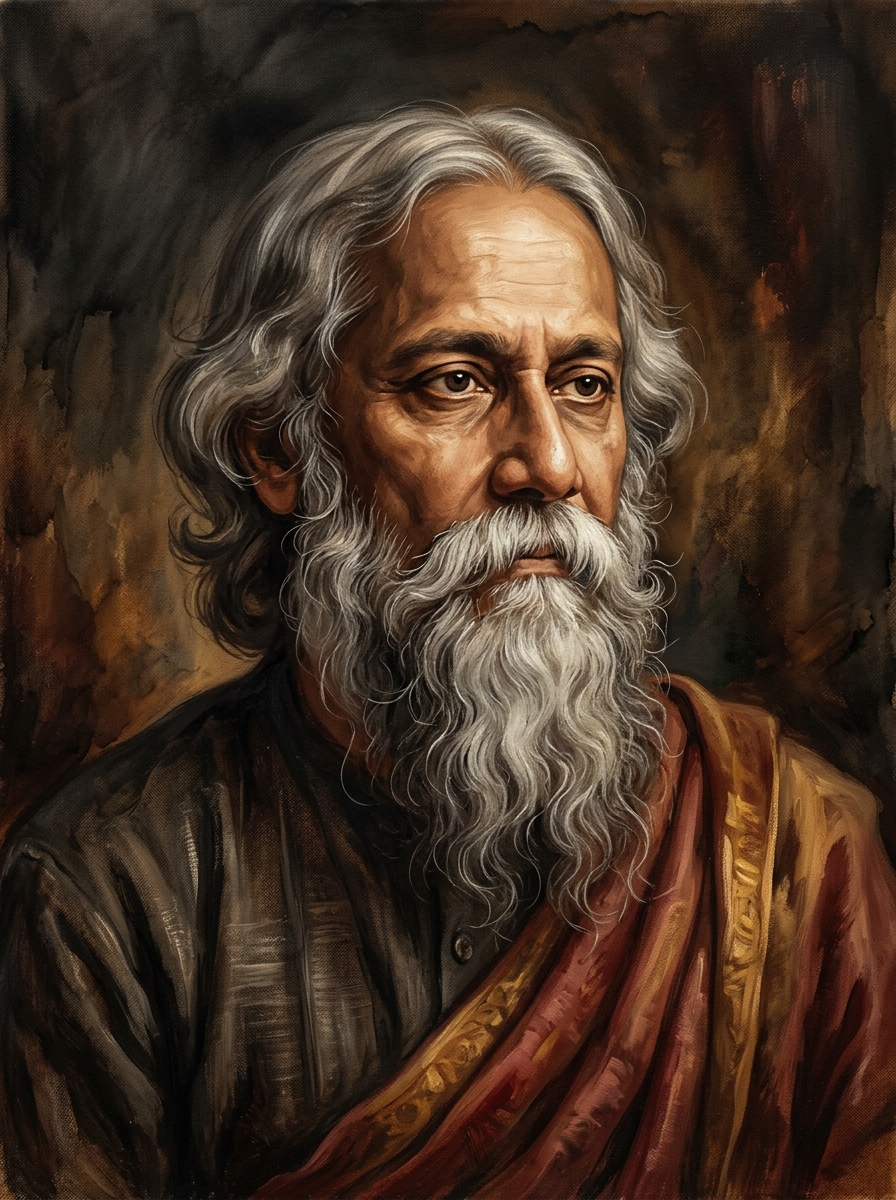
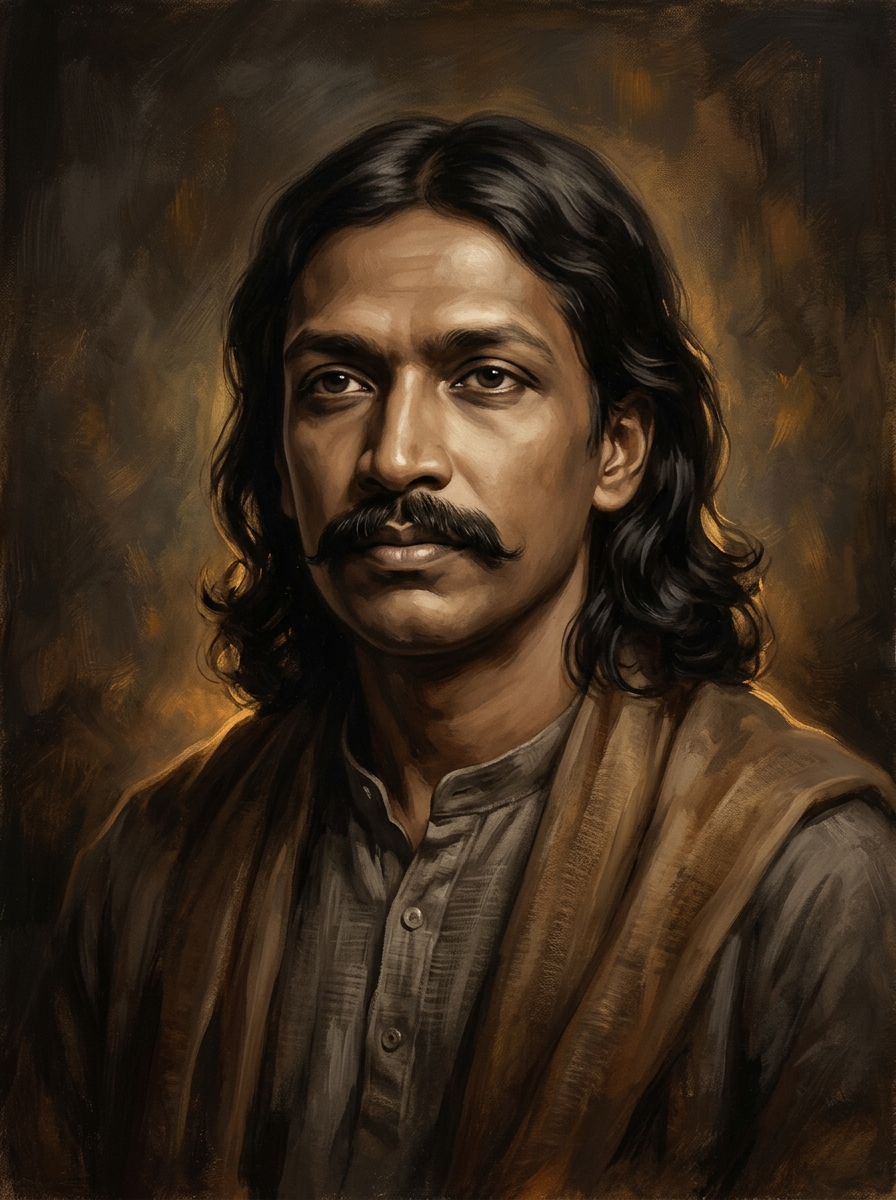
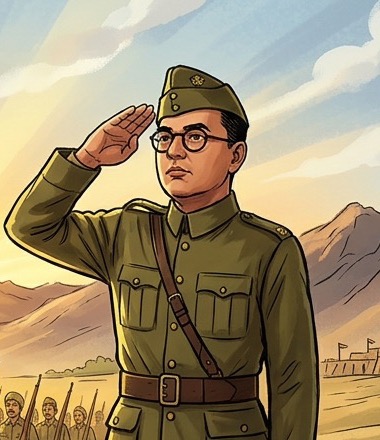
🎙️ Voice of the Freedom Movement: Authentic, verbatim quotes and statements recorded in NCERT Chapter 2, paired with bespoke historical portraits of the visionaries who spoke them.
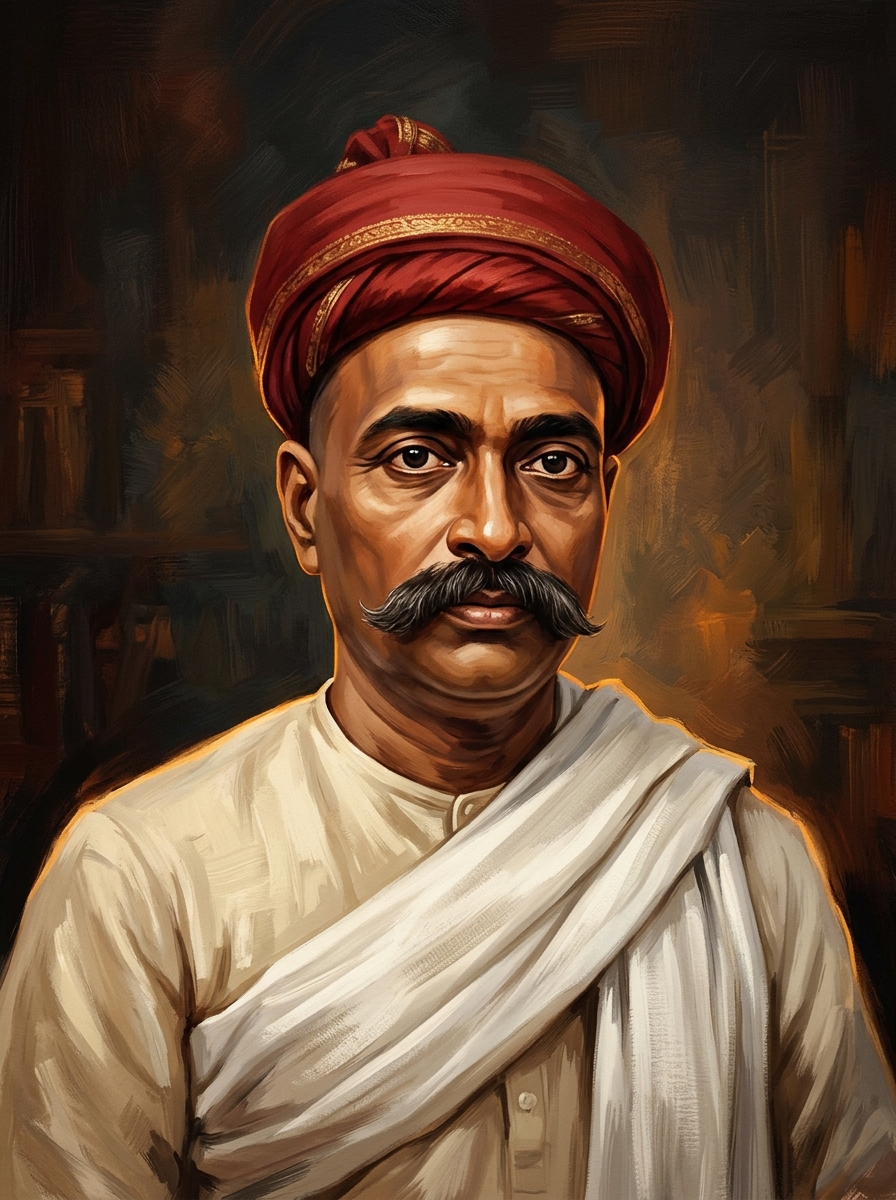
Bal Gangadhar Tilak
“Lokmanya” • Nationalist Pioneer
“Swaraj is my birthright, and I shall have it! There are higher powers that rule the destinies of men and nations; and it may be the will of Providence that the cause I represent may be benefited more by my suffering than by my pen and tongue.”
Context from Chapter: Spoken before the Bombay High Court in 1908 upon receiving a 6-year sentence of rigorous imprisonment in Mandalay Jail (Burma) for publishing anti-colonial articles in Kesari.
Lala Lajpat Rai
“Punjab Kesari” (Lion of Punjab)
“The Government which attacks its own innocent subjects has no claim to be called a civilised government. Bear in mind, such a government does not survive long. I declare that the blows struck at me will be the last nails in the coffin of British rule in India.”
Context from Chapter: Addressed to a mass rally in Lahore on October 30, 1928, just hours after being critically assaulted by police lathis while leading a peaceful demonstration against the Simon Commission.
Rabindranath Tagore
Nobel Laureate • Bard of Bengal
“The accounts of the insults and sufferings by our brothers in Punjab have trickled through the gagged silence... The time has come when badges of honour make our shame conspicuous in the vain context of humiliation, and I for my part wish to stand, shorn of all special distinctions, by the side of those of my countrymen who are liable to suffer a degradation not fit for human beings.”
Context from Chapter: Official letter of protest written to Viceroy Chelmsford on May 31, 1919, formally renouncing his British Knighthood following the Jallianwala Bagh massacre.
Sri Aurobindo Ghose
Philosopher • Nationalist Editor
“Our ideal is that of Swaraj or absolute autonomy free from foreign control. We claim the right of every nation to live its own life by its own energies according to its own nature and ideals. We reject the claim of aliens to force upon us a civilisation inferior to our own.”
Context from Chapter: Chapter epigraph and editorial published in the daily Bande Mataram (1909), defining Swaraj as complete sovereign independence rather than mild constitutional petitions.
Subhas Chandra Bose
“Netaji” • Supreme Commander, INA
“Give me blood, and I will give you freedom! One individual may die for an idea, but that idea will, after his death, incarnate itself in a thousand lives... Delhi Chalo! Jai Hind!”
Context from Chapter: Historic address to the Indian National Army (Azad Hind Fauj) in Burma and Singapore (1943–44), calling on Indian expatriates and soldiers to march toward the eastern gates of India.
Mahatma Gandhi
Father of the Nation • Apostle of Ahimsa
“Do or Die (Karo ya Maro). We shall either free India or die in the attempt; we shall not live to see the perpetuation of our slavery... With this pinch of salt, I am shaking the foundations of the British Empire.”
Context from Chapter: Delivered at the historic All-India Congress Committee session in Bombay on 8 August 1942 (Quit India launch) and at Dandi seashore on 6 April 1930.
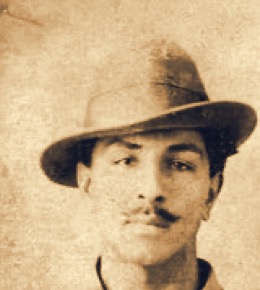
Bhagat Singh
Shaheed-e-Azam • HSRA Revolutionary
“It is easy to kill individuals, but you cannot kill the ideas. Great empires crumbled while the ideas survived... If the deaf are to hear, the sound has to be very loud. Inquilab Zindabad!”
Context from Chapter: Printed on leaflets showered onto the floor of the Central Legislative Assembly in Delhi on 8 April 1929 after throwing non-lethal smoke bombs alongside Batukeshwar Dutt.
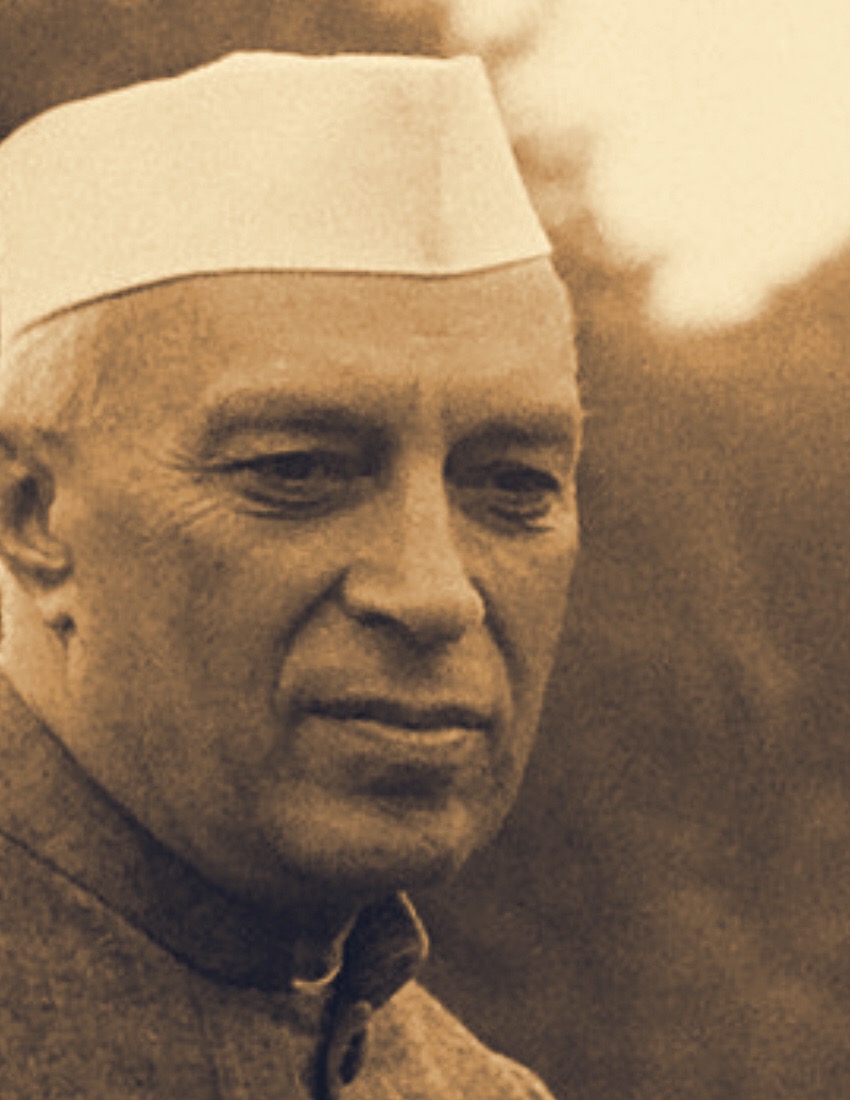
Jawaharlal Nehru
First Prime Minister of Free India
“Long years ago we made a tryst with destiny, and now the time comes when we shall redeem our pledge... At the stroke of the midnight hour, when the world sleeps, India will awake to life and freedom.”
Context from Chapter: Speech delivered to the Indian Constituent Assembly at midnight, 14–15 August 1947, marking the dawn of independent India.
Q: What was the main difference between Moderates and Extremists?
Moderates (1885-1905): Believed in constitutional agitation, prayers, petitions, and faith in British sense of justice. Extremists/Nationalists (1905+): Demanded immediate Swaraj, believed in mass strikes, boycotted British goods, and self-reliance (Swadeshi).
Q: Why did Lord Curzon partition Bengal in 1905?
Official British reason: Bengal was too large to administer (78 million people). Real motive: To split the hotbed of Indian nationalism along religious lines (Muslim-majority East Bengal vs Hindu-majority West Bengal).
Q: Why did Gandhi withdraw the Non-Cooperation Movement in 1922?
Because of the violent Chauri Chaura incident (Feb 1922) in Uttar Pradesh, where an angry mob set fire to a police station, killing 22 policemen. Gandhi insisted satyagraha could never succeed through violence.
Q: What was the significance of the 1929 Lahore Congress Session?
Under Jawaharlal Nehru’s presidency, Congress declared Purna Swaraj (Complete Independence) as its ultimate goal and celebrated 26 January 1930 as the first Independence Day (which later became Republic Day!).
💡 "Socratic" Questions to ask Srinidhi
1. "If you were an 8th grader in 1905, how would you participate in Swadeshi?"
Prompt her: Would she give up imported British sweets and toys? Wear coarse khadi uniform? Sing Vande Mataram with classmates?
2. "Why didn’t the British just arrest everyone and ignore the Salt March?"
Key insight: Jails ran out of space! When 60,000+ peaceful citizens willingly went to jail without fighting back, the British moral authority was shattered in front of global media.
3. "Who was Bagha Jatin and why did he have that name?"
Jatindranath Mukherjee fought a Royal Bengal tiger with a dagger to protect his village! Later he became a fearless revolutionary who died fighting British forces in Balasore (Odisha).
4. "Why is Cyril Radcliffe remembered in tragedy?"
He was a British lawyer who had never visited India before. He was given just 5 weeks to draw the border line splitting Punjab and Bengal, separating millions of families overnight.